Creating Your Perfect Ambiance: A Balanced Guide to Candle Wax and Safety
Candles can bring warmth and atmosphere to a room. If you have searched for “toxic candle wax” or wondered which wax to avoid, a useful starting point is to look beyond a simple safe-versus-unsafe label. Wax type is one part of a candle, not a complete measure of its emissions or safety. This guide compares common waxes, explains what the evidence can tell us, and shares practical steps for choosing and using candles thoughtfully.
Understanding candle wax types

Paraffin, soy, beeswax and coconut wax offer different material choices. Gel candles and blends are also available. The following comparison describes those choices without treating a wax name as a health certification.
| Wax type | What to know | Shopping perspective |
|---|---|---|
| Paraffin | A petroleum-derived wax widely used in candles. | Its origin alone does not establish the health risk of a finished candle. Look for clear instructions rather than assuming every paraffin candle should be avoided. |
| Soy | A vegetable-based wax made from soybean oil. | An option if you prefer a plant-derived wax. Do not assume it is emission-free, soot-free or guaranteed to burn longer. |
| Beeswax | A wax produced by bees, sometimes with a subtle honey-like aroma. | Choose it for its material and sensory qualities, not a promise to purify indoor air. |
| Coconut | A plant-derived wax used in candles, including blends. | Read the full wax description and ask about blend components if they matter to your preferences. |
| Gel and wax blends | Specialty formulations and mixtures used for different candle designs. | A blend or gel label is not, by itself, evidence that a candle is unsafe. Follow the specific product's directions. |
| Palm, rapeseed and sunflower | Other plant-derived wax options. | Plant origin alone does not verify a finished candle's safety or environmental footprint. Ask for evidence behind sourcing claims. |
The National Candle Association's wax overview provides background on common candle materials and blends. It is an industry source, not an independent health assessment.
What candle emissions do and do not tell us
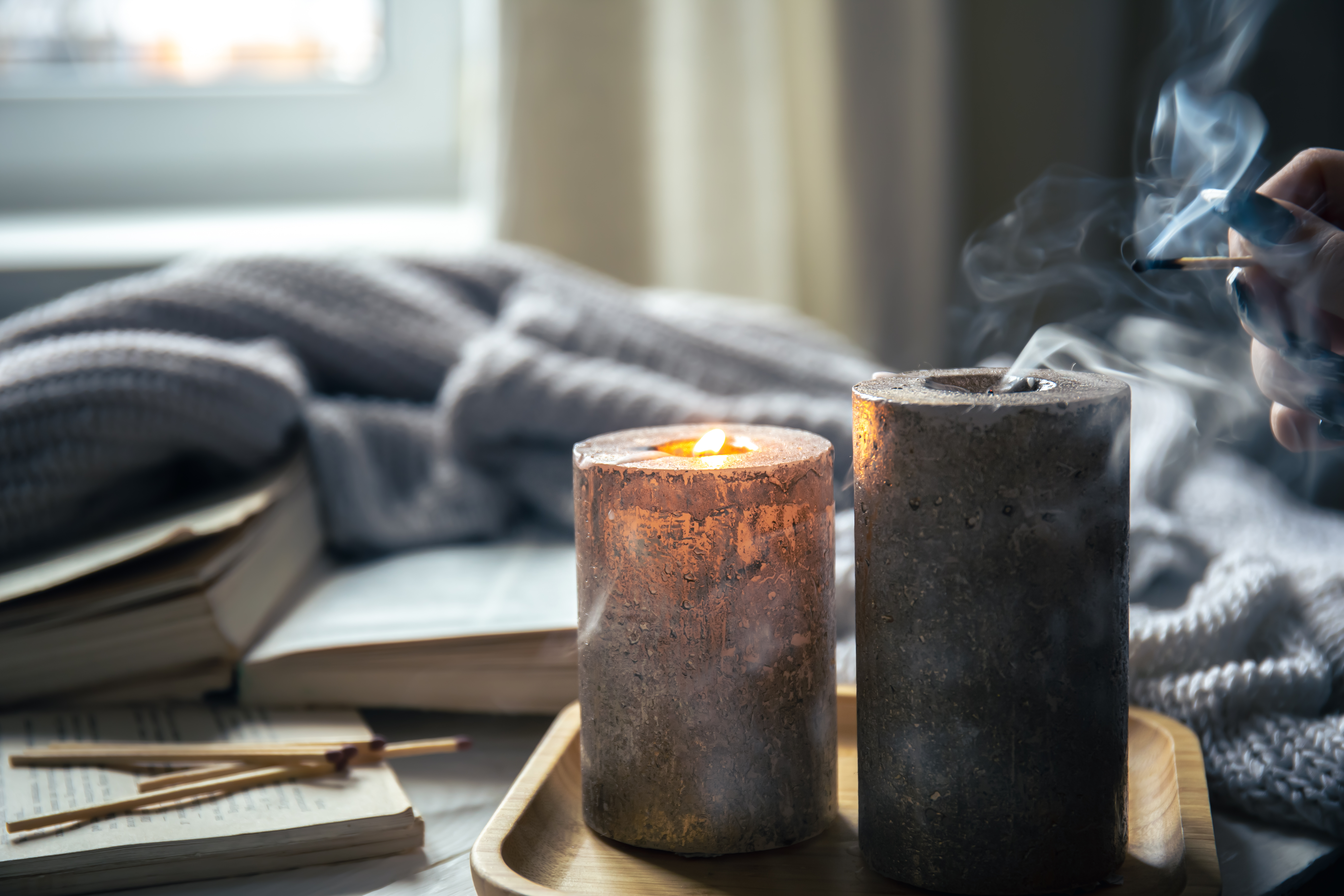
The U.S. Environmental Protection Agency identifies candles as a source of indoor particulate matter. That is a reason to consider how you use candles, not proof that a particular wax causes disease during ordinary use.
A study of soybean-oil wax, beeswax and paraffin, indexed in the EPA's research database, found differences in soot and combustion behaviour among the candles tested. Its findings do not establish that every soy candle is cleaner than every paraffin candle, or that any wax is emission-free.
This guide does not rank waxes by cancer risk or claim that beeswax purifies air. It also does not promise that soy candles produce no soot or last a fixed percentage longer. Those conclusions would require evidence specific to the claim and product.
Choosing a candle without the fear-based labels

Look for a stated wax type, useful product information and clear burning instructions. If a blend's ingredients are important to you, ask the maker what it contains. An undisclosed wax type is a reason to ask a question, not proof that the candle contains paraffin or is toxic.
Price, scent strength and words such as “natural” or “clean” do not establish a candle's safety. Likewise, this guide does not treat essential oils as automatically safer than formulated fragrances. Choose fragrance according to your preferences and comfort; there is no need to use a scented candle to create a cozy room.
Practical candle safety

Health Canada's candle-safety guidance emphasizes everyday precautions:
- Follow the candle's label and wick-care instructions.
- Use sturdy holders that will not tip over, and keep candles away from curtains, decorations, clothing and other materials that can catch fire.
- Keep burning candles out of reach of children and pets.
- Never leave a burning candle unattended. Extinguish it before leaving the room or going to sleep.
- Do not drop matches or other objects into the wax.
- Avoid lead-containing wicks. Ask the retailer if you are unsure; a metallic core alone does not tell you its composition.
For glow without an open flame, consider a battery-powered candle. Health Canada's home fire-safety guidance recommends flameless candles whenever possible.
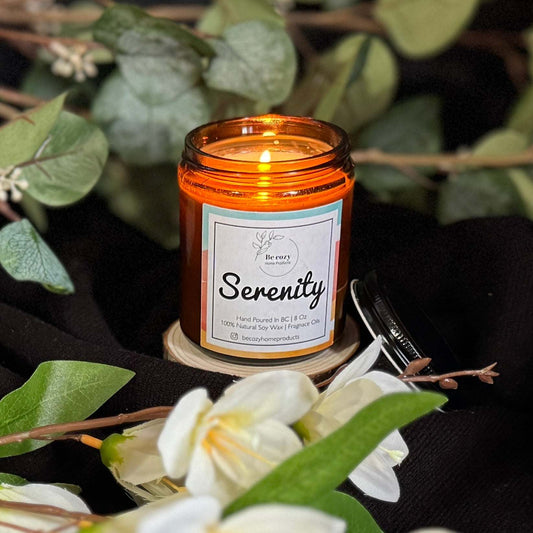
Explore BeCozy soy wax candles
If soy is your preferred wax, start with these BeCozy products. Choose the scent and size that suit your space, then review the product's care instructions before lighting. These are shopping suggestions, not health recommendations.
- Shop Nordic Spruce – Soy Wax Candle: a woodland fragrance featuring juniper, eucalyptus, white pine and balsam notes.
- Shop Christmas Magic – Soy Wax Candle: a festive fragrance featuring citrus, warming spices, myrrh and vanilla notes.
A thoughtful candle choice combines the material and fragrance you enjoy with clear product information and careful use. You do not need an alarmist label to make an informed decision.